
Week commencing June 10th 2024
TradeDay Macro Matters
Macroeconomic / Geopolitical developments
- Stocks up, Bonds recoil from lower yields
- Strong US jobs data, eases rate cut hopes
- Bank of Canada and ECB join rate cut club
- US CPI and Fed in focus this week
- What's Ahead
Stocks up, Bonds recoil from lower yields
The financial markets experienced notable shifts this week as recent economic data influenced both stock and bond dynamics. The benchmark 10-year Treasury yield continued its decline, dropping by 11-basis-point on Monday, which marked the largest one-day decline since December 13 2023, highlighting investor concerns about the economic outlook. U.S. bond funds saw their largest weekly inflow in four weeks, with investors purchasing around $5.06 billion worth of U.S. bond funds by June 5, driven by a rally in treasury bond prices that bolstered expectations for Federal Reserve rate cuts this year. But bond markets reversed to higher yields after Friday’s US Employment data (see below).
U.S. stocks rallied, with the major indexes higher, with both the S&P 500 and Nasdaq surging to new record highs on Wednesday, fueled by a surge in Nvidia's share price, which led the tech sector to outperform.
Overall, investor sentiment was buoyed by the expectation of Federal Reserve rate cuts, following the lead of the European Central Bank and the Bank of Canada, both of which cut rates earlier in the week.
Strong US jobs data, eases rate cut hopes
The U.S. labor market demonstrated remarkable resilience in May, creating significantly more jobs than anticipated and reigniting wage growth. This robust performance diminishes the likelihood of the Federal Reserve initiating rate cuts in September. According to the Labor Department's employment report, nonfarm payrolls surged by 272,000 jobs, far exceeding economists' expectations of 185,000 and up from a revised 165,000 in April. Despite the unemployment rate ticking up slightly to 4.0% from 3.9%, the data underscored a labor market that remains fundamentally strong.

The unexpected strength in job creation and wage gains suggests that inflation may remain more persistent than hoped, complicating the Fed's path to easing monetary policy. As a result, financial markets have significantly reduced the probability of a September rate cut, slashing the odds from about 70% to 53% based on rate futures contracts. The strong jobs report also tempered expectations for multiple rate cuts by the end of 2024, reflecting a shift in market sentiment towards a more cautious outlook on rate reductions.
The stronger-than-expected jobs data had immediate effects on the financial markets, with the U.S. dollar firming against major currencies and Treasury yields rising sharply. This response indicates that investors are now less optimistic about imminent rate cuts, instead anticipating that the Fed will maintain its current stance to address inflation concerns. Consequently, the anticipated timeline for rate cuts has shifted, with market expectations now pointing to December rather than November as the earliest potential date for easing borrowing costs.
Bank of Canada and ECB join rate cut club
The global financial landscape is witnessing a significant shift as central banks diverge in their monetary policy strategies after a period of synchronized rate hikes aimed at curbing inflation. The European Central Bank (ECB) and the Bank of Canada (BoC) both announced interest rate cuts last week, marking a departure from the U.S. Federal Reserve's stance of maintaining steady rates. The ECB reduced its key policy rate by a quarter-point to 3.75%, its first cut in nearly five years. Similarly, the BoC lowered its key overnight rate to 4.75%, citing increased confidence that inflation is moving closer to its 2% target.

This divergence highlights the beginning of a new era in central bank policy. James Rossiter, head of global macro strategy at TD Securities, notes that while many major central banks are starting to ease their policies, the Fed remains cautious. ECB President Christine Lagarde emphasized the need for more data to confirm the disinflationary trend, suggesting that future rate cuts are not guaranteed. Meanwhile, Bank of Canada Governor Tiff Macklem acknowledged the necessity of a less restrictive monetary policy, reflecting Canada's progress in controlling inflation, which has recently fallen to 2.7%.
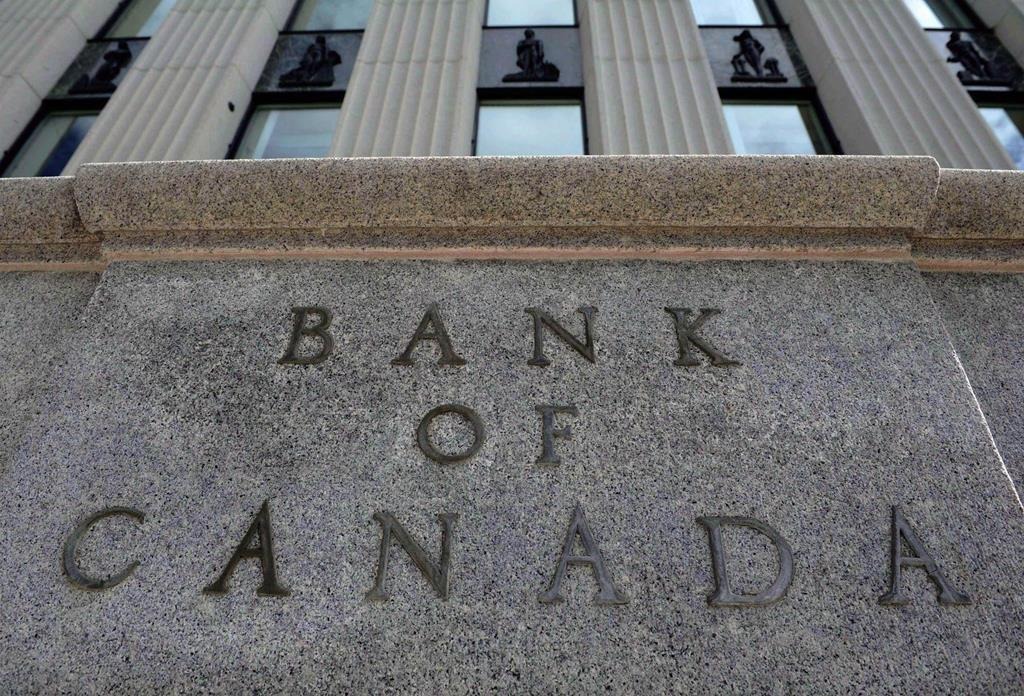
These decisions underscore the complex dynamics central banks face in adjusting rates based on their domestic economic conditions while considering global economic spillovers. Despite the recent rate cuts, central banks are not expected to return to the ultra-low rates of the 2010s, as persistent inflationary pressures necessitate a more cautious approach. Analysts from the BlackRock Institute suggest that this is not a typical rate-cutting cycle, and rates are likely to remain above pre-pandemic levels for the foreseeable future.
US CPI and Fed in focus this week
Investors are gearing up for a pivotal week with the US Federal Reserve's policy meeting on Wednesday taking center stage. While policymakers are widely expected to keep interest rates on hold, the meeting is of great interest due to potential shifts in their economic projections. Earlier on the same day, the Bureau of Labor Statistics will release the Consumer Price Index (CPI) for May, providing critical insights into inflation trends. Multiple US Treasury debt auctions are also scheduled, adding to the week's economic activities.
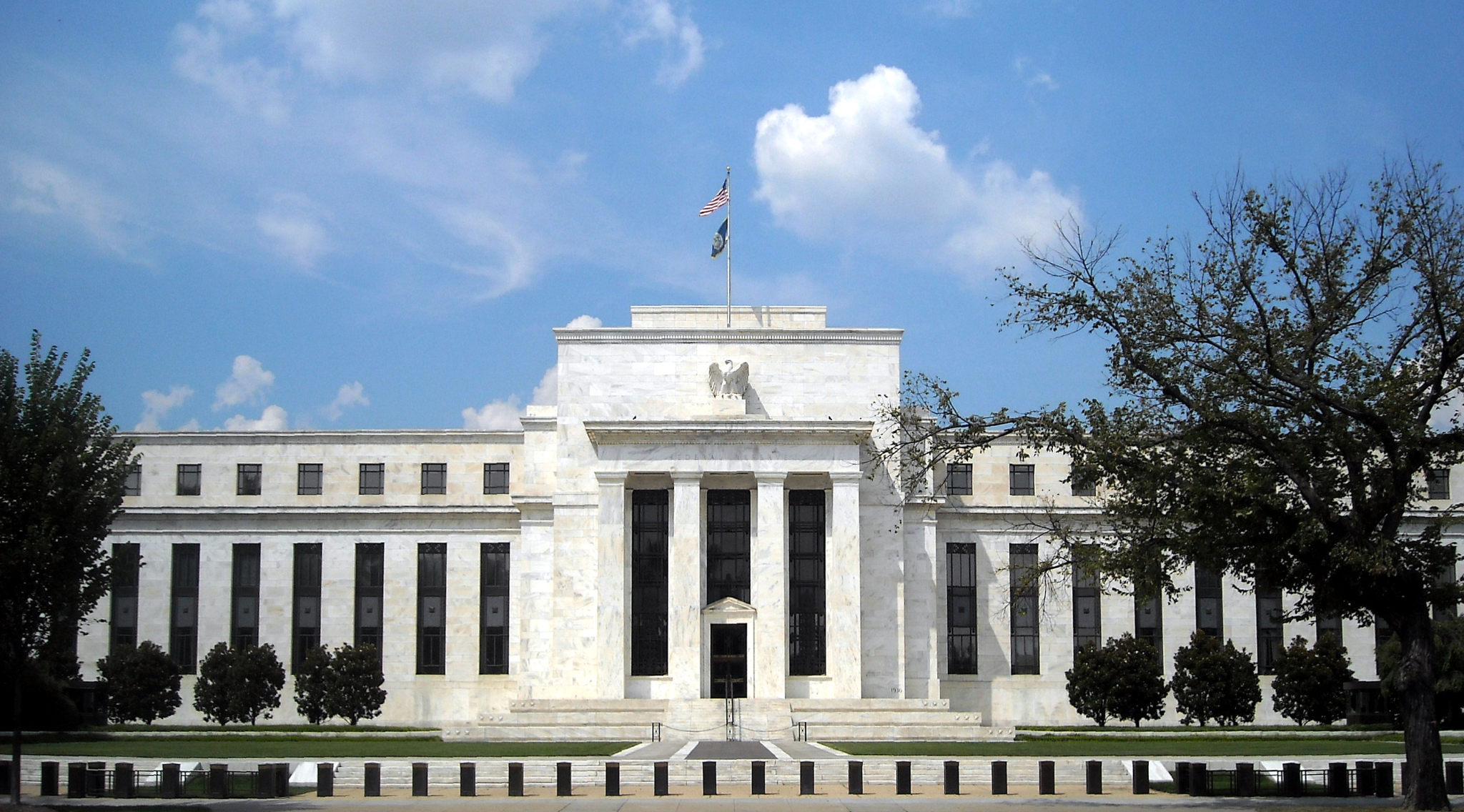
The Fed's meeting comes amidst signs of moderation in the US economy, with core Personal Consumption Expenditures (PCE) inflation slowing. This suggests that inflationary pressures are easing, a positive sign for the economy. However, the Fed remains cautious, needing more evidence of sustained progress in controlling inflation before reducing the federal funds target range. Market participants do not expect a rate change in the upcoming June meeting, but there is speculation about a possible rate cut in the fourth quarter of this year. The post-meeting statement is anticipated to reflect updates on Treasury securities run-off caps and acknowledge recent data indicating a reduced threat of price re-acceleration. This week's policy decisions and data releases will be crucial in shaping the Fed's monetary policy direction for the remainder of the year.
What's Ahead
Central Bank Watch: The main central bank activities this week is the FOMC Interest Rate Decision and Policy Statement on Wednesday. One other release of note is the Bank of Japan Interest Rate Decision and Policy Statement on Friday.
Macro Data Watch: The main macro data release this week is the US CPI data on Wednesday. Other releases of note are the UK Employment report on Tuesday, UK GDP data, Chinese and German CPI data on Wednesday, then US PPI data on Thursday.
Date
Major Macro Data
06/10/2024
Japanese GDP
06/11/2024
UK Employment report
06/12/2024
Chinese CPI; German CPI; UK GDP; US CPI, FOMC Interest Rate Decision and Monetary Policy Statement
06/13/2024
Australian Employment; US PPI
06/14/2024
BoJ Interest Rate Decision and Monetary Policy Statement; Michigan Consumer Sentiment Index
.jpg)