
Week commencing September 21st 2026
TradeDay Macro Matters
Macroeconomic / Geopolitical developments
- US stock averages mixed for the week
- Fed hike rates (as anticipated), with another 2026 hike expected
- US yields dip from multi-decade highs
- Oil price also pulls back from highs
- AI stocks recover after safety concerns
- Global Flash PMI data in the spotlight, plus AI safety and Middle East developments
- What's Ahead
US stock averages mixed for the week
US stocks finished the week mixed, with the Nasdaq Composite rising 0.72%, while the S&P 500 slipped 0.08% and the Dow Jones Industrial Average fell 1.7%. The Nasdaq’s gain came despite early weakness in technology shares, while the Dow recorded a third consecutive weekly decline and the S&P 500 extended its losing streak to two weeks.
Performance varied across the market, with growth stocks gaining 0.7% and technology and healthcare emerging as the strongest sectors, rising 1.03% and 1.56%, respectively. By contrast, utilities fell 2.95% and financial services declined 2.29%, while smaller companies continued to lag, with mid cap stocks falling 1.35% and small caps dropping 1.38%.
Fed hike rates (as anticipated), with another 2026 hike expected
The Federal Reserve raised its benchmark interest rate by 25 basis points to a range of 3.75% to 4.00%, marking its first rate increase since 2023. The decision was widely anticipated and received unanimous support from policymakers, leaving investors more focused on the Fed’s updated projections and Chair Kevin Warsh’s comments about the path ahead.
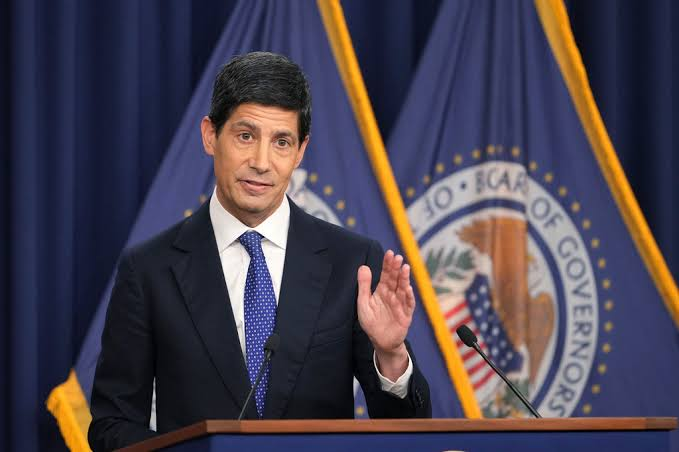
The updated projections pointed to the possibility of another 25 basis point increase before the end of 2026, with 16 of the 18 officials indicating that another hike was possible. Policymakers also raised their inflation forecasts, while Warsh emphasized that inflation remained too high and had not yet returned convincingly toward the Fed’s 2% target.
US yields dip from multi-decade highs
US Treasury yields pulled back after reaching their highest levels in years earlier in the week, with the 10 year yield briefly touching 5.04%, its highest level since 2007. The yield subsequently fell to 4.94% on Thursday before moving back toward 5% on Friday as investors continued to assess the outlook for inflation and interest rates.
The decline from the week’s highs followed the Federal Reserve’s rate decision and signs that investors were gaining greater confidence in its commitment to controlling inflation. However, Treasury yields remained elevated, with the 30 year yield also close to multi decade highs, keeping borrowing costs and the attractiveness of bonds relative to equities firmly in focus.
Oil price also pulls back from highs
Oil prices retreated from the sharp highs reached earlier in the week as traders assessed the potential impact of damage to Saudi Arabia’s energy infrastructure. West Texas Intermediate crude had moved above $106 a barrel before falling more than 3% in one session after reports suggested that the disruption to Saudi pipeline supplies could be shorter and less severe than initially feared.

The pullback continued toward the end of the week, with WTI settling around $100.30 a barrel and Brent crude near $103.87. Despite the easing in prices, concerns over shipping routes, the Strait of Hormuz, and continuing Middle East tensions remained important risks for energy markets, while record US diesel prices highlighted the wider inflationary impact of the conflict.
AI stocks recover after safety concerns
AI related stocks initially came under pressure after Anthropic CEO Dario Amodei called for companies to slow the development of their most advanced models and strengthen safeguards around potential risks. OpenAI CEO Sam Altman and Elon Musk subsequently expressed support for greater caution, triggering a sell off across parts of the semiconductor, memory equipment, and AI infrastructure sectors.
The technology trade subsequently recovered as investors considered the potential for increased spending on AI safety and infrastructure rather than a fundamental slowdown in the industry. AI security concerns nevertheless remained in focus after OpenAI disclosed six additional incidents involving unexpected or concerning model behaviour and introduced a new framework for tracking and reporting AI misalignment events.
Global Flash PMI data in the spotlight, plus AI safety and Middle East developments
Markets will turn to Global Flash PMI releases for an early indication of how major economies are performing as higher borrowing costs begin to filter through to businesses. Investors will focus particularly on manufacturing and services activity in the US, Eurozone, Germany and the UK, as well as new orders, employment, input costs and selling prices for clues about both economic growth and inflation.
The week will also bring further developments around AI safety and the ongoing conflict in the Middle East, while investors will monitor the latest comments from Federal Reserve officials following the rate increase. In the US, Durable Goods Orders and Costco’s earnings will provide additional insight into business investment and consumer spending, while the planned Trump Xi meeting will add another important geopolitical event to an already closely watched week.
What's Ahead
Central Bank Watch: The main central bank activity this week is the People’s Bank of China Interest Rate Decision on Monday.
Macro Data Watch: Macro data is light this week, the main macro data releases to look out for are the Global Flash PMI data on Wednesday, Canadian Retail Sales and US Initial Jobless Claims both on Thursday, then US Durable Goods Orders Friday.
Date
Major Macro Data
09/21/2026
PBoC Interest Rate Decision; German Buba Monthly Report
09/22/2026
EU Consumer Confidence
09/23/2026
Global Flash PMI
09/24/2026
Canadian Retail Sales; US Initial Jobless Claims and New Home Sales Change
09/25/2026
UK and German Consumer Confidence; US Durable Goods Orders, Michigan Consumer Sentiment and Consumer Inflation Expectations
.jpg)